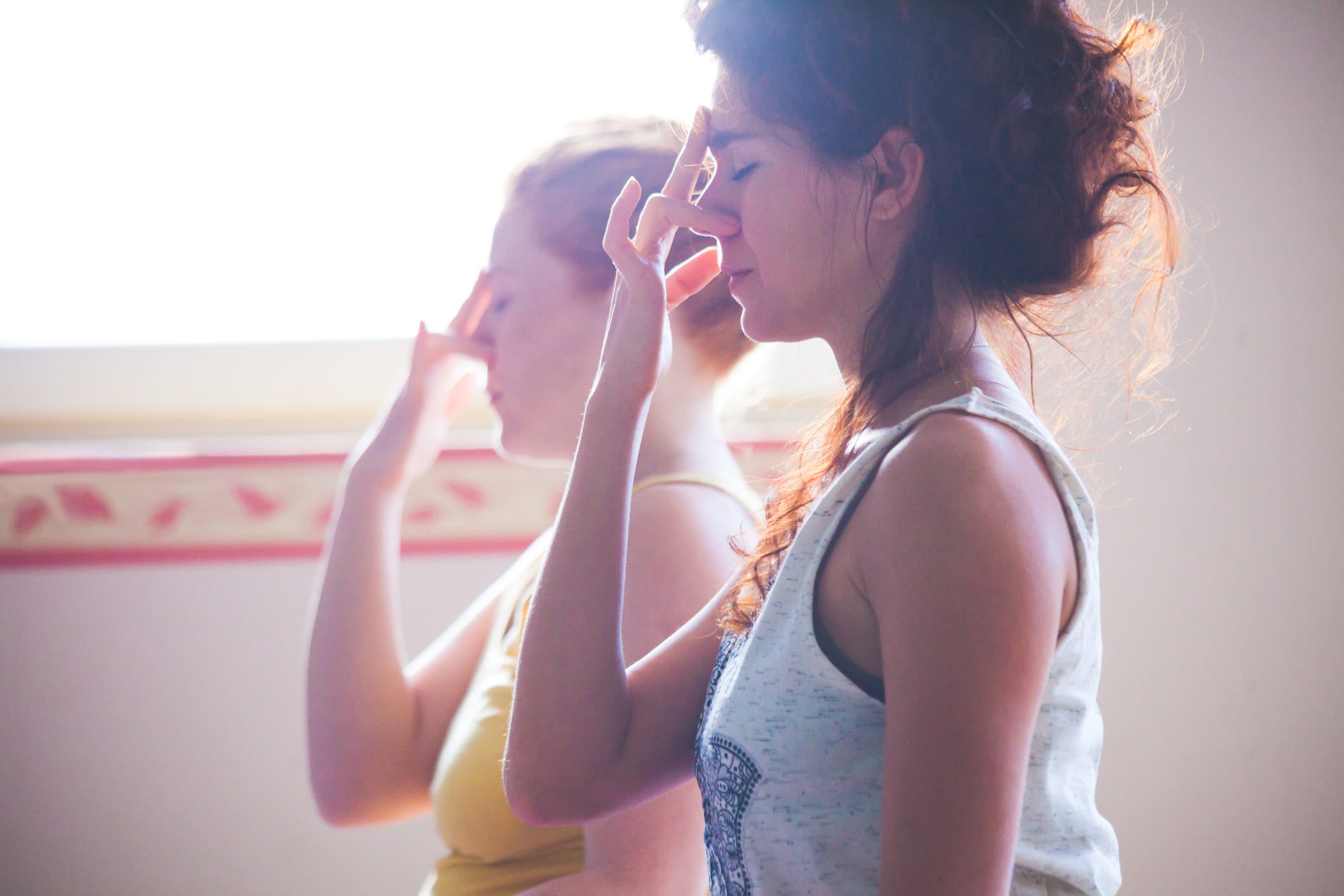
Are You Looking for Healing That Goes Deeper Than Talking About It?
What is somatic healing, and why are so many people in Sydney turning to it when talk therapy hasn’t been enough? At Intimacy Divine, Catherine works with people who carry something they can’t quite name in words. It lives in the chest. In the gut. In the way the body tightens before someone can even finish a sentence. Somatic healing meets that place directly. It works with the body, not just the mind, and for many people across Sydney and beyond, it’s the first approach that has actually felt true.
This guide is for anyone who suspects there’s more available to them than they’re currently feeling. More aliveness. More ease. More connection. You don’t need a diagnosis. You don’t need the right words. You just need to be curious enough to keep reading.
Why Do So Many People in Sydney Feel Disconnected from Their Own Bodies?
Modern life in Sydney is relentless. The pace of the CBD, the financial pressure of living in one of Australia’s most expensive cities, the isolation that can hide inside a crowded commute — all of it takes a toll. Most of us learn early that the right response to pain is to push through it, explain it, or get over it.
Talk therapy helps a lot of people. But there’s a limit to what the talking mind can reach. Trauma, shame, and grief don’t live in the story about what happened. They live in the body that experienced it. That’s the gap somatic healing fills.
Is There a Physical Reason Your Body Still Holds Old Pain?
Yes, and it’s well supported by research in neuroscience and trauma studies. When a person experiences something overwhelming, the nervous system responds to protect them. Sometimes that response doesn’t fully complete. The body stays partially braced, partially defended, even after the threat has passed. According to the Australian Psychological Society, chronic stress and unresolved trauma are among the most common presenting concerns for adults seeking wellbeing support.
This incomplete response shows up as tension, numbness, anxiety, difficulty feeling pleasure, or a persistent sense of being slightly outside yourself. These aren’t character flaws. They’re the body doing its best. Somatic healing works with that biological reality directly.
People who reach out to Intimacy Divine often describe one of these situations. Book a free initial conversation with Catherine to find out whether somatic work might be right for you.
Common Situations This Article Addresses
- You’ve done years of therapy and feel like you understand your patterns intellectually, but nothing seems to shift in how you actually feel.
- You carry chronic tension, numbness, or anxiety in your body and nobody has been able to explain why it won’t go away.
- You feel shut down or disconnected in intimacy, and shame has made it hard to talk about with anyone.
- You’re not in crisis, but you sense you’re living at a fraction of what’s possible for you emotionally and physically.
What Is Somatic Healing, and How Does Somatic Healing Actually Work?
Somatic healing is a body-centred approach to emotional and psychological wellbeing. The word somatic comes from the Greek word soma, meaning body. Rather than working through insight and narrative alone, somatic healing uses body awareness, breath, sensation, movement, and touch to help the nervous system process what it’s been holding.
It isn’t a single method. Somatic healing is a framework, and there are three types of somatic therapy most commonly used in practice.
What Are the Three Types of Somatic Therapy?
The three most established approaches are Somatic Experiencing, Sensorimotor Psychotherapy, and Hakomi. Each works with the body but uses different entry points.
Somatic Experiencing, developed by Peter Levine, focuses on tracking physical sensations to help the nervous system complete interrupted stress responses. It’s particularly effective for shock trauma and accident-related PTSD.
Sensorimotor Psychotherapy integrates body awareness with attachment theory and is often used for complex relational trauma. It’s structured, relational, and deeply attentive to the nervous system’s real-time signals.
Hakomi uses mindfulness and gentle touch to access what the body holds beneath conscious awareness. It’s particularly useful for people who have difficulty accessing emotion through talking alone.
Sexological Bodywork, the modality Catherine practises as a Certified Sexological Bodyworker through the Association of Certified Sexological Bodyworkers, is a body-based approach specifically for sexual and relational healing. It incorporates somatic principles with ethical, professional boundaries and consent-centred practice.
Somatic healing across all these modalities shares a common thread. The body isn’t the problem. The body is the way through.
What Are Some Real Examples of Somatic Therapy in Practice?
Examples of somatic therapy are easier to understand when you see what actually happens in a session, rather than just reading a definition. These approaches don’t look like traditional therapy. You won’t necessarily be lying on a couch talking about your childhood. The work is more present-tense than that.
What Does a Somatic Session Actually Look Like?
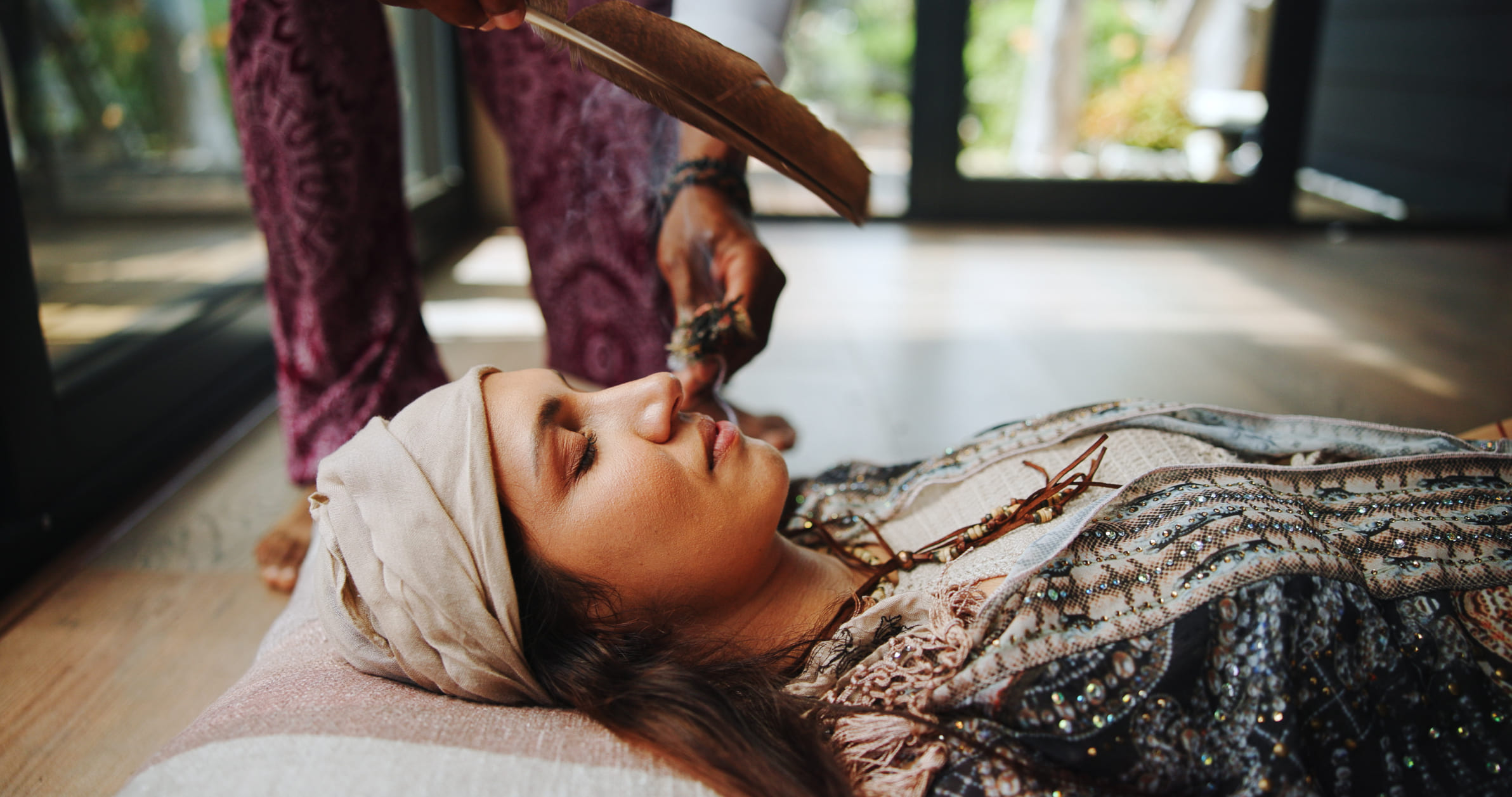
A practitioner might invite you to notice where in your body you feel tension as you speak about something difficult. They might guide you through a grounding exercise, asking you to press your feet firmly into the floor and describe what you notice. They might use breath, gentle movement, or, where appropriate and consented to, touch, to help your nervous system find safety.
Some common examples of somatic therapy techniques include:
- Body scanning, where you slowly move your attention through each part of the body and notice sensation without judgement.
- Pendulation, where you gently move awareness between a place of ease and a place of tension, building the nervous system’s capacity to regulate.
- Breathwork, used to activate or calm the nervous system depending on what’s needed.
- Grounding, which uses physical contact with the earth or floor to orient the nervous system to the present moment.
- Titration, which means approaching difficult material in small, manageable doses rather than all at once.
These aren’t exotic techniques. Many of them you can begin on your own, between sessions. Even five minutes of conscious body scanning before sleep can start to shift the quality of your felt experience over time.
People in Sydney CBD and inner-west suburbs like Newtown and Glebe often work with Catherine in person. If you’re curious about what somatic work might address for you specifically, explore Catherine’s services at Intimacy Divine to find the right starting point.
How Do You Know Which Somatic Practitioner to Trust?
This is one of the most important questions, and it deserves a direct answer. The somatic healing field in Australia includes highly trained, ethically grounded practitioners, but it also includes people operating without formal credentials. Knowing what to look for protects you.
What Credentials Should a Somatic Practitioner Hold?
Start with formal, recognised training. For sexological and body-based work, look for certification through the Association of Certified Sexological Bodyworkers (ACSB), which sets rigorous standards for professional practice, ethical conduct, and ongoing supervision.
Membership with the International Institute for Complementary Therapists (IICT) is another marker of professional accountability. Practitioners who hold IICT Approved Training Provider status, as Catherine does at Intimacy Divine, operate within an independently verified framework.
Beyond credentials, notice how a practitioner communicates before you arrive. Do they explain consent clearly? Do they invite questions? Do they give you a sense of the boundaries and structure of the work? A trustworthy somatic practitioner makes the environment transparent, not mysterious.
Track record matters too. Catherine has worked with clients for 15 years in Sydney and Wollongong. That breadth of experience means she’s sat with an enormous range of presentations, including grief, sexual shame, relational trauma, chronic pain, and disconnection after loss.
What Brought Catherine to This Work, and Why It Shapes Every Session?
Catherine doesn’t offer somatic healing because she studied it in a textbook. She came to it because it saved her. After the traumatic loss of her son at birth, she found herself in a kind of grief that words couldn’t reach. Talk therapy gave her insight. Somatic practice gave her back her body, and eventually, her life.
That experience shapes the way she works. She knows what it feels like to sit in a room and perform okayness while something inside has gone completely quiet. She knows what it takes to trust someone with the tender, unnameable parts. And she knows, from the inside, that healing is possible even when it feels very far away.
What Makes Intimacy Divine Different from a Standard Counselling Practice?
Catherine practises as a Certified Sexological Bodyworker through the ACSB, and as an IICT Approved Training Provider. That combination of credentials means the work is both professionally accountable and genuinely body-centred, not just body-aware.
Clients in Sydney CBD, Wollongong, and surrounding areas come to Intimacy Divine when they’re ready for something more than another conversation about their feelings. They come when they want to feel something shift, not just understand why it’s there. That’s the work Catherine offers, and it’s why she built Intimacy Divine the way she did.
What Does Change Actually Look Like? Real Scenarios from the Work
The following scenarios are illustrative composites. They do not represent specific individuals.
Situation: A woman in her late forties from Newtown had spent over a decade in talk therapy, understanding her childhood trauma well but feeling emotionally flat and disconnected from her body.
What Changed: Through somatic sessions with Catherine, she began tracking body sensations in real time during moments of emotional activation. Breath work and gentle titration helped her nervous system begin to complete stress responses it had been holding for decades.
Result: Over approximately six months, she reported a marked increase in her capacity to feel pleasure, warmth, and spontaneous emotion without needing a conversation to explain it first.
Second Example
Situation: A man in his mid-thirties living in Wollongong experienced persistent anxiety and sexual shutdown following a relationship that ended in betrayal.
What Changed: Working with consent-centred body awareness practices, he gradually rebuilt his sense of safety in his own body, separating his physical responses from the fear associated with past experience.
Result: Within four months, he described feeling present in his body for the first time in years, with significantly reduced ambient anxiety in daily life.
What Practical Steps Can You Take Right Now to Begin Somatic Healing?
You don’t need to wait for your first session to begin. These are things you can do today, in your own home, with no equipment and no prior experience.
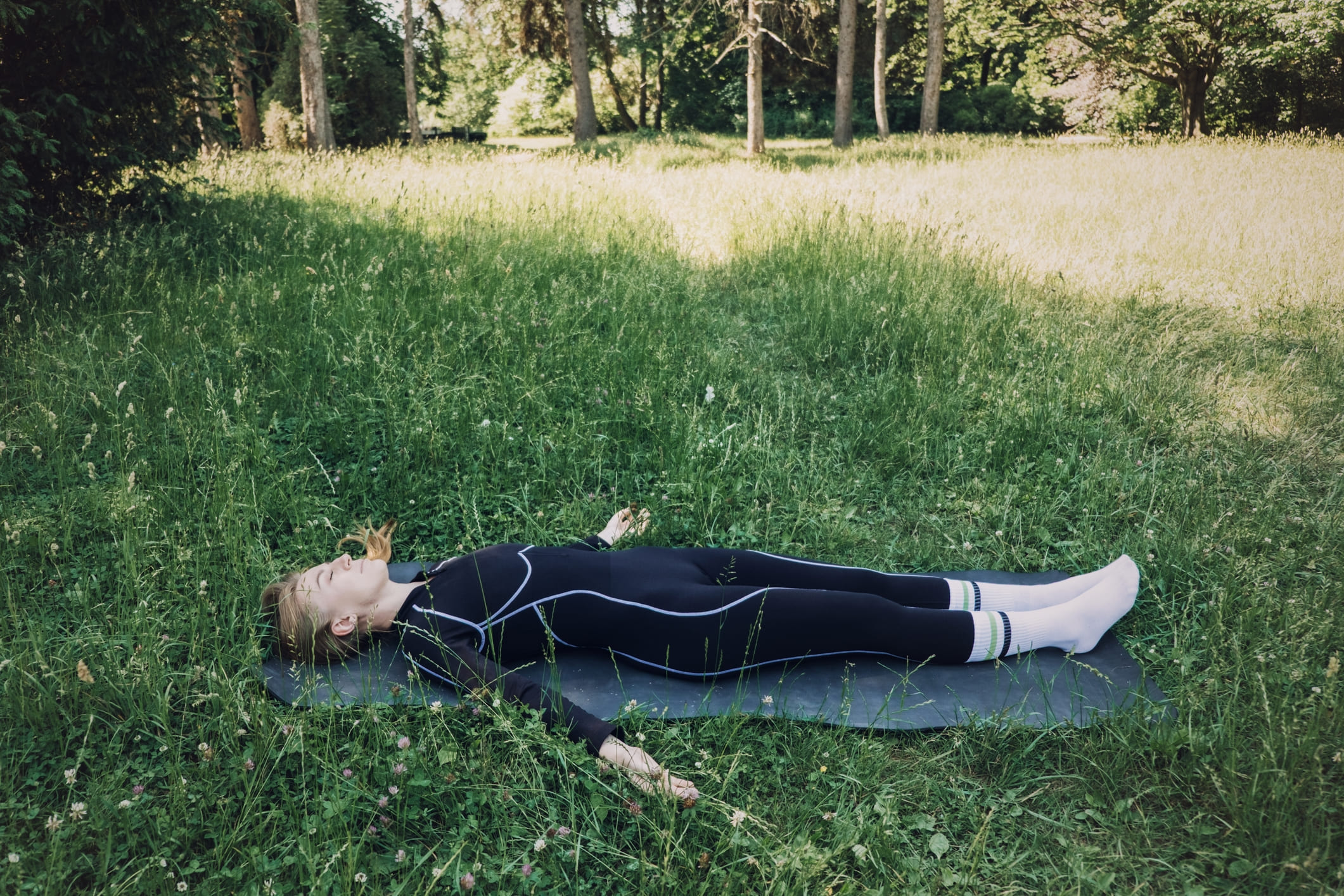
Start with a two-minute body scan. Sit or lie still and slowly move your attention from the top of your head to the soles of your feet. You’re not trying to change anything. You’re just noticing. This simple act begins to rebuild the connection between mind and body.
Try grounding when anxiety spikes. Press both feet firmly into the floor. Press your back into your chair. Notice five things you can see. This orients your nervous system to the present moment rather than the threat your mind is constructing.
Use breath as a regulator, not a distraction. A slow exhale, longer than your inhale, activates the parasympathetic nervous system. Even three conscious breaths done this way can shift your state noticeably. In Sydney CBD, where the daily environment is particularly stimulating, this is one of the most immediately useful tools available.
Notice sensation without narrating it. When something feels tight, instead of asking why, simply ask where. Describe the sensation in physical terms: size, temperature, texture, movement. This moves you from thinking about the feeling to being with it.
Find a practitioner with real credentials. In New South Wales, body-based and somatic practitioners aren’t uniformly regulated. Checking for ACSB certification or IICT approval, as you would at Intimacy Divine, protects you and ensures the container is safe.
Further Reading and Helpful Resources
What Does the Future of Somatic Healing Look Like in Australia?
Interest in body-based therapies in Australia has grown considerably over the past two years, and the trajectory continues upward. In Sydney, demand for somatic and integrative wellbeing support has increased noticeably since 2022, as more people seek alternatives to or complements for traditional psychology.
The Australian Psychological Society and the Australian Counselling Association have both broadened their acknowledgement of somatic and body-based approaches as legitimate adjuncts to psychological care. This shift reflects growing evidence for the role of the nervous system in emotional regulation and trauma recovery.
For practitioners like Catherine in Sydney, this means greater public readiness. People are arriving at somatic work less guarded, more curious, and with a stronger foundational understanding than they had five years ago.
By 2026, body-based therapy is likely to become a recognised category within more mainstream health and wellbeing directories in Australia, making it easier for the public to find credentialled practitioners.
Frequently Asked Questions
Common Questions
Is somatic healing the same as somatic therapy?
Somatic healing is a broader term that includes therapeutic modalities as well as practices like breathwork and movement done outside of clinical settings. Somatic therapy typically refers to a structured therapeutic relationship with a trained practitioner. Both work with the body’s stored experience, but therapy involves professional accountability and a clinical framework.
Can somatic healing help if I’ve tried talk therapy and it didn’t work?
Somatic healing addresses what talk therapy often can’t reach: the physical imprint of trauma, shame, or chronic stress. Many people who feel stuck after years of cognitive or narrative therapy find that body-centred work shifts things more quickly. It’s not that talk therapy failed — it often builds real self-understanding. Somatic work simply adds a different door into the same house.
How do I know somatic healing actually works, and isn’t just a trend?
The nervous system science behind somatic approaches has been accumulating since Peter Levine’s early work in the 1970s and has been substantially expanded by researchers including Bessel van der Kolk and Pat Ogden. Beyond research, the most reliable evidence is the lived experience of people who’ve done the work. Catherine’s 15 years of practice across Sydney and Wollongong represent hundreds of real people, real sessions, and real shifts.
What is somatic healing used for in a professional practice like Intimacy Divine?
At Intimacy Divine, somatic healing is applied to sexual shame, intimacy difficulties, grief, trauma, chronic disconnection, and relational wounding. Catherine uses it as part of an integrated, consent-centred approach that meets each person where they are. Because the body stores everything, somatic work tends to address multiple layers simultaneously.
How is somatic healing different from massage or bodywork?
The intention is different, and so is the training. Massage primarily addresses the physical body for relaxation or pain relief. Somatic healing uses body awareness, touch, and sensation to help the nervous system process emotional and psychological material. A Certified Sexological Bodyworker like Catherine works with informed consent, clear professional boundaries, and therapeutic intention throughout every session.
Still Have Questions?
How long does somatic healing take to show results?
Most people notice some shift in their felt sense within the first two to four sessions, though deeper patterning typically takes longer to move. For complex trauma or long-held shame, three to six months of consistent work is realistic. Some people experience significant movement in a single session. The timeline depends on what you’re carrying and how long you’ve been carrying it.
Do you offer somatic healing sessions in Wollongong as well as Sydney?
Catherine works with clients in person in Sydney and Wollongong, so people across the Illawarra region can access the same depth of somatic support. All somatic sessions are held in person. In-person sessions in Sydney include options across the inner suburbs and CBD.
Are there any regulations around somatic healing practitioners in New South Wales?
Body-based and somatic healing isn’t uniformly regulated in New South Wales. This is why professional membership bodies like the ACSB and IICT matter. They provide independent standards for training, ethics, and supervision that protect clients in the absence of statutory regulation. Always ask a practitioner about their certifications and professional memberships before beginning work together.
More Questions Answered
How do I get started with somatic healing at Intimacy Divine?
The first step is a conversation. Catherine offers an initial contact session so you can describe what you’re carrying, ask questions, and get a sense of whether the work feels right. There’s no pressure and no assumption that one conversation commits you to anything. You can reach out to Intimacy Divine here to arrange that first conversation at a pace that suits you.
Getting Started and Why Trust Us
What qualifications does Catherine hold, and why do they matter?
Catherine earned her Certified Sexological Bodyworker qualification through the Association of Certified Sexological Bodyworkers, which requires extensive supervised clinical hours, ethical training, and ongoing professional development. She also holds Approved Training Provider status with the International Institute for Complementary Therapists. These credentials mean clients receive care within a professionally accountable, ethically grounded framework, not just a well-intentioned one. Catherine built Intimacy Divine on 15 years of direct, body-centred practice across Sydney and Wollongong.
Final Thoughts
Understanding what somatic healing is represents one thing. Feeling it is another. For many people in Sydney, the shift from knowing about their pain to actually releasing it in the body is the one that changes everything. It takes courage to reach for something different. And it takes the right environment to make that courage feel safe.
Catherine at Intimacy Divine has held that space for hundreds of people over 15 years. She doesn’t ask you to perform wellness before you feel it. She just asks you to show up, exactly as you are. If something in this guide has resonated with you, the next step is simple. Start with a conversation at Intimacy Divine and find out what becomes possible when healing finally reaches the body.