
What Is the Difference Between Somatic Healing and Talk Therapy?
Somatic healing vs talk therapy is a question more Sydneysiders are asking as traditional counselling leaves them feeling understood but not yet changed. At Intimacy Divine, Catherine works with people across Sydney who have done the talking and still feel stuck. The feelings are still there. The patterns still repeat. And the body keeps carrying what the mind has tried so hard to release. This article explains why that happens, what body-based healing does differently, and how to know which approach fits where you are right now.
Why Do So Many People in Sydney Feel Like Talk Therapy Isn’t Enough?
Talk therapy has helped millions of people. It builds self-awareness, names patterns, and offers genuine relief. But for many people carrying deep trauma, anxiety, or long-term disconnection, insight alone doesn’t complete the healing. You can understand exactly why you shut down — and still shut down. You can name the wound — and still feel it in your chest, your gut, your skin.
That gap isn’t a failure of the therapy or the therapist. It reflects something important about how trauma is stored. The body holds it at a level that language doesn’t fully reach. I work with people from Wollongong to the Sydney CBD who arrive having done years of talk therapy with real benefit — and still sensing something is missing.
Are You Carrying Something That Talking Hasn’t Shifted?
Many people feel this and don’t have words for it. Here are some of the more common situations:
- You’ve been in therapy for years and understand your trauma, but don’t feel free from it
- Anxiety lives in your body — tight chest, shallow breath, bracing — not just in your thoughts
- You feel emotionally numb, disconnected from desire, or like you’re watching your life from a distance
- You want deeper intimacy, but your body freezes or withdraws before your mind can catch up
If any of these feel familiar, you’re not alone, and you haven’t failed. Explore how Intimacy Divine’s approach works and see whether somatic healing might be the next step for you.
Somatic Healing vs Talk Therapy: What Each Approach Actually Does
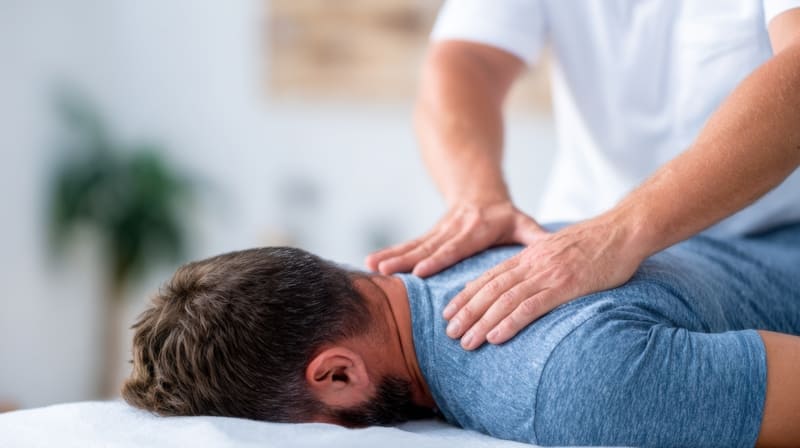
Talk therapy works primarily through language and cognition. You describe your experience, reflect on it, and build understanding. That’s genuinely valuable. But body-based trauma healing approaches work through sensation, breath, movement, and touch. They engage the nervous system directly, rather than through narrative.
How does somatic therapy work in practice? A skilled practitioner guides you to notice physical sensations as they arise — tightness, heat, trembling, stillness — and to stay with those sensations without fleeing into story or explanation. This process allows the nervous system to complete responses it once had to suppress. Trauma researcher Peter Levine describes trauma not as the event itself but as the frozen response in the body. Somatic work thaws it.

What Can Body-Based Healing Reach That Talk Cannot?
In my 15 years of practice, the clearest difference is this: talk therapy changes what you think about your experience. Somatic healing changes how your body holds it. Both matter. But for trauma that lives in the nervous system, body-based approaches are often where the real shift happens. Catherine holds certification through the Association of Certified Sexological Bodyworkers and training recognition through the International Institute for Complementary Therapists — frameworks that specifically address this layer of healing.
For Australians wondering whether somatic therapy attracts a rebate, the answer isn’t simple. Medicare doesn’t currently cover somatic bodywork sessions. Some private health funds do offer rebates for IICT-registered modalities under complementary health extras cover, but coverage varies significantly by fund and policy level. Check directly with your insurer before booking. Catherine can provide documentation for insurance purposes where eligible.
Does Somatic Therapy Work for Anxiety and Trauma? What the Evidence Shows
Does somatic therapy work for anxiety and trauma? The short answer is yes, and the evidence base is growing. Approaches like Somatic Experiencing, Sensorimotor Psychotherapy, and sexological bodywork address the autonomic nervous system directly. Studies published in peer-reviewed journals over the past two years have continued to show meaningful reductions in trauma symptoms through body-centred approaches.
The Australian Institute of Health and Welfare has noted rising rates of anxiety and trauma presentations across NSW. That context matters for Sydney and Wollongong residents choosing between treatment pathways. More GPs and psychologists in the Inner West and Eastern Suburbs are now referring clients to complementary somatic practitioners when talk therapy has plateaued.
How Do You Know If Somatic Therapy Is Right for You?
You don’t need a diagnosis to benefit. People come to somatic work with anxiety, relational trauma, sexual shame, grief, birth trauma, or simply the sense of being cut off from their own aliveness. If your nervous system has been on high alert for years, or you feel more comfortable in your head than your body, somatic work tends to offer things talk therapy hasn’t. Book a conversation with Catherine to talk through what’s showing up for you before committing to a full session.
What Somatic Therapy Techniques for Trauma Survivors Actually Look Like in a Session
People sometimes imagine somatic work is confronting or strange. In practice, it tends to feel slow, careful, and deeply respectful. Somatic therapy techniques for trauma survivors typically include body-mapping, grounding exercises, breath awareness, and titrated touch where relevant and consented. Sessions with Catherine begin with full verbal discussion of what’s present for you, what your history involves, and what your boundaries are.
Nothing happens without explicit, ongoing consent. The pace is always yours. For survivors of complex trauma, that safety isn’t just reassuring — it’s therapeutically essential. The nervous system can only open when it genuinely feels safe, not just when it’s been told it is.
What Does a First Session at Intimacy Divine Look Like?
The first session is primarily about contact, consent, and orientation. Catherine works with clients across Sydney, including people travelling from Wollongong and inner-city areas like the Sydney CBD. There’s no pressure to move faster than your body is ready for. The work is led by what your system offers, not by a protocol or timetable.
Catherine’s Perspective on Why the Body Knows Before the Mind Does
My own path to this work started with a loss I couldn’t speak. When my son died during a traumatic birth, the grief was total — physical, cellular. Talk therapy gave me a container. But it was somatic work, tantra, and body-based practice that actually moved something. That experience is why I built Intimacy Divine the way I did.
For 15 years I’ve worked with people across Sydney — from Wollongong to the Sydney CBD — who come carrying versions of what I once carried. Shame, disconnection, the exhaustion of performing okayness while something underneath is asking to be felt. As a Certified Sexological Bodyworker registered with the ACSB and an Approved Training Provider with the IICT, I hold this work with rigour and with heart.
If you’ve found talk therapy helpful but incomplete, that makes complete sense. The body has its own timeline and its own wisdom. The work we do together respects both.
What Real Shifts Look Like in Practice
The following scenarios are illustrative. They reflect common client experiences but are not specific individuals.
Situation: A woman in her early 40s living in the Inner West came to sessions after years of therapy for childhood sexual trauma. She had good insight but still felt frozen during intimacy.
What Changed: Over several sessions, Catherine guided her through breath and body-mapping to locate where the freeze response lived physically. Gradually, sensation returned to areas that had been numb for decades.
Result: Within three months, she described feeling “more present in my own skin than I ever have.” Her relationship improved, and her anxiety reduced significantly.
Second Example
Situation: A man from Wollongong sought help for chronic emotional numbness following a workplace trauma and a difficult separation.
What Changed: Somatic sessions focused on grounding, gentle movement, and tracking the body’s signals in real time. This helped him recognise and interrupt his withdrawal pattern.
Result: He reported meaningful reconnection with his children and a reduction in hypervigilance symptoms over approximately 12 weeks.
What Are the Most Helpful Practices for Someone New to Somatic Healing?
Start with your breath before anything else. Breath is your most immediate access point to the nervous system. Even five minutes of slow, conscious breathing each day builds somatic awareness before you’ve attended a single session.
Choose a practitioner with body-specific training. Not all therapists who mention somatic approaches hold dedicated credentials. In Sydney, look for practitioners registered with the ACSB or recognised by the IICT, which maintains standards for complementary therapists across Australia.
Talk therapy and somatic work aren’t rivals. They work well together. Many clients at Intimacy Divine continue seeing their psychologist or counsellor while also doing body-based sessions. The approaches address different layers.
Go slowly, especially with trauma. The nervous system needs titrated contact, not confrontation. If a practitioner pushes pace before safety is established — particularly for complex trauma survivors in the Sydney CBD or travelling from Wollongong — that’s a signal worth heeding.
Further Reading and Helpful Resources
What Does the Future of Somatic Healing Look Like for Australians?
In 2025, demand for body-based trauma approaches is growing steadily across Sydney and NSW. Psychologists and GPs are increasingly referring clients to complementary somatic practitioners where talk therapy has plateaued. The Australian Health Practitioner Regulation Agency continues to review the landscape for complementary modalities, and professional bodies like the IICT are strengthening training standards in response.
For Sydneysiders, the growth of trauma-informed practice across the Inner West, Eastern Suburbs, and coastal communities like Wollongong reflects a broader cultural shift. People are arriving more informed, more discerning, and more ready for depth work. That’s genuinely encouraging — it means more people find real healing sooner.
Common Questions
What is the core difference between somatic healing and talk therapy?
Talk therapy works through narrative and reflection, building cognitive understanding of your experience. Somatic healing works through the body and nervous system directly, addressing how trauma is physically stored rather than only how it’s understood or interpreted. Both have real value, but they address different layers.
Why does talk therapy sometimes feel incomplete for trauma survivors?
Trauma is stored in the body’s nervous system, not just in memory or thought. Because talk therapy primarily engages language and cognition, it can build insight without shifting the physical patterns underneath. Many people find that somatic work completes what therapy started by working at that deeper, pre-verbal level.
How do I know if a somatic practitioner in Sydney is qualified?
Look for registration with a recognised body such as the ACSB or IICT. Both organisations maintain practitioner standards and require ongoing professional development. Catherine at Intimacy Divine holds certification through both, which means her practice meets formal requirements for body-based therapeutic work.
Can somatic healing vs talk therapy be used together effectively?
Somatic healing and talk therapy aren’t really an either-or choice. Many people find the combination more effective than either alone. Talk therapy builds understanding, while somatic work releases what that understanding hasn’t shifted. Working with practitioners in both modalities simultaneously is common and, in my experience, often yields the deepest results.
Still Have Questions?
Does somatic therapy work for anxiety and trauma?
Research over the past two years continues to support somatic approaches for anxiety and trauma symptoms. Somatic Experiencing and related methods show meaningful reductions in hypervigilance, shutdown, and freeze responses, particularly where trauma has a strong physical component. Results vary, but the evidence base for body-based trauma healing approaches is growing.
How long does somatic therapy typically take to produce results?
Most clients begin noticing shifts within four to six sessions, though complex trauma often requires a longer journey. Because somatic work is paced to the nervous system rather than a fixed schedule, timelines vary genuinely. Some people feel significant change in weeks, while others move more slowly and still reach profound shifts over months.
More Questions Answered
Is somatic therapy available to people in Wollongong, or only in Sydney?
Catherine works with clients from Wollongong who travel to Sydney for sessions. Given the relatively small number of ACSB-certified practitioners in the NSW south coast area, many people find the travel worthwhile. Initial consultations are available to help you assess whether the journey makes sense for your situation before committing.
Are somatic therapy sessions covered by Medicare or private health insurance in Australia?
Medicare doesn’t currently cover somatic bodywork sessions. But some private health funds do offer rebates for IICT-registered modalities under complementary health extras cover. Coverage varies significantly by fund and policy level, so checking directly with your insurer before booking is the most reliable approach. Catherine can provide documentation for insurance purposes where eligible.
Getting Started and Why Trust Us
How do I start with somatic healing if I’ve never done it before?
The simplest first step is a conversation. Catherine offers initial consultations where you can ask questions, share what’s showing up for you, and get a clear sense of how sessions work before committing. There’s no pressure to move forward until you feel genuinely ready. Reach out through the Intimacy Divine contact page to get started.
What credentials and experience does Catherine at Intimacy Divine hold?
Catherine earned certification as a Sexological Bodyworker through the Association of Certified Sexological Bodyworkers. She also holds Approved Training Provider status with the International Institute for Complementary Therapists. Beyond formal credentials, 15 years of practice working with trauma, grief, shame, and disconnection gives her the grounded, specific experience that formal training alone can’t provide.
Final Thoughts
Somatic healing vs talk therapy isn’t a competition. It’s a question about what you need right now and which layer of healing you haven’t yet reached. If you’ve done significant work through talking and still feel the weight sitting in your body, that doesn’t mean therapy failed. It means there’s more available to you than words alone can offer.
Catherine has walked this path herself. She built Intimacy Divine specifically for people who are ready for that next layer — people in Sydney, Wollongong, and beyond who sense that the body knows something the mind hasn’t caught up to yet. Because it usually does. Start a conversation with Catherine about what’s possible for you and take the next step at whatever pace feels right.